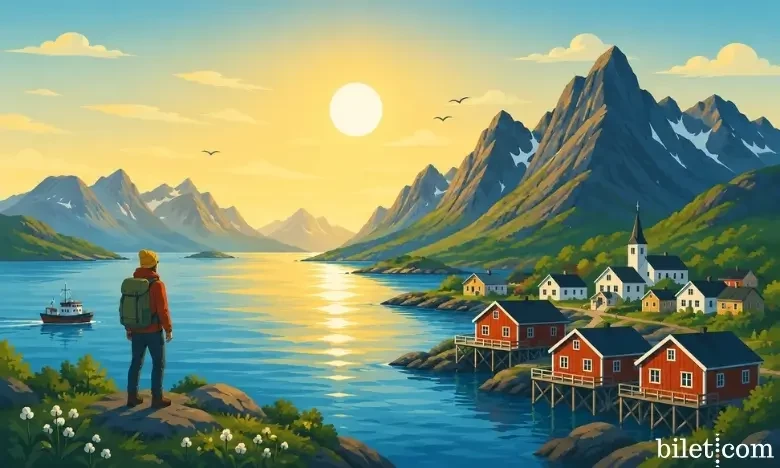



Sounding like something out of a science fiction movie, this captivating atmosphere is a completely real natural phenomenon that occurs every year in the northernmost parts of our planet. So, what is the midnight sun , and why does night never come in some parts of the world? Are you ready to discover the secrets behind this fascinating phenomenon in and around the Arctic Circle, which draws you into a timeless dream, to explore the countries where the sun never sets, and how to plan the most extraordinary trip of your life?
What is Midnight Sun?
Midnight Sun is a fascinating natural phenomenon that occurs north of the Arctic Circle and south of the Antarctic Circle during the summer months. The sun remains in the sky for 24 hours a day, not even below midnight local time. During this period, darkness completely disappears, replaced by an endless daylight.Often referred to as the midnight sun or polar sun in travel literature, this phenomenon ranks among the most fascinating natural events in the world. The uninterrupted "golden hour," created by the merging of our familiar sunset and sunrise cycles, elevates all the colors and landscapes of the world to a fairytale dimension.
Why does the Midnight Sun occur?
While night and day follow a regular rhythm in most parts of the world, why does the sun never set in the polar regions? The answer to this question lies in our planet's unique position in space and its cosmic movements.Earth's Axial Tilt
The fundamental reason for this natural phenomenon is that the Earth's axis of rotation is tilted at an angle of approximately 23.5 degrees relative to its orbital plane around the Sun. This tilt remains constant as our Earth completes its annual orbit around the Sun. This tilt is responsible for the formation of seasons and the main cause of the interplay of light at the poles.Arctic and Antarctic Circles
During the summer months, especially as June approaches in the Northern Hemisphere, the Earth's northernmost point tilts toward the Sun. Because of this tilt, the Arctic Circle (66° 33′ N latitude) and regions further north remain entirely within the sunlit zone, even as the Earth rotates on its axis.- Even if the Earth rotated 360 degrees on its axis, these latitudes would never move out of the Sun's line of sight.
- The sun traces a circular motion across the sky; at night, it descends towards the horizon, and just as it seems about to set, it begins to rise again before it actually sets.
Seasonal Movements and Solstice
This phenomenon reaches its peak on the Summer Solstice on June 21st. At this time, the North Pole is at its maximum angle to the Sun. The same event occurs in the Southern Hemisphere in December (at the Antarctic Circle); however, because there are no permanent settlements in that region and only scientific stations are located there, when touristic destinations are mentioned, the northern countries always come to mind.In which countries is the Midnight Sun seen?
To experience this unique adventure, you need to take a map and turn your face far north towards the Arctic. Only a limited number of countries in the world have places where the sun never sets in summer. Each destination blends this endless sunshine with its own local culture, unique nature, and geographical wonders.Here are the countries and travel routes you can choose for an unforgettable trip to the Nordic countries, where you can best watch the midnight sun:
Norway: The Shimmering Fjords of the North
When asked which countries have the midnight sun, the first and most popular answer that comes to mind is undoubtedly Norway. The country's northern regions are so high up that even its official tourism slogans describe it as the "Land of the Midnight Sun." In Norway, the geography where steep mountains meet fjords takes on a captivating appearance under the endless sunlight.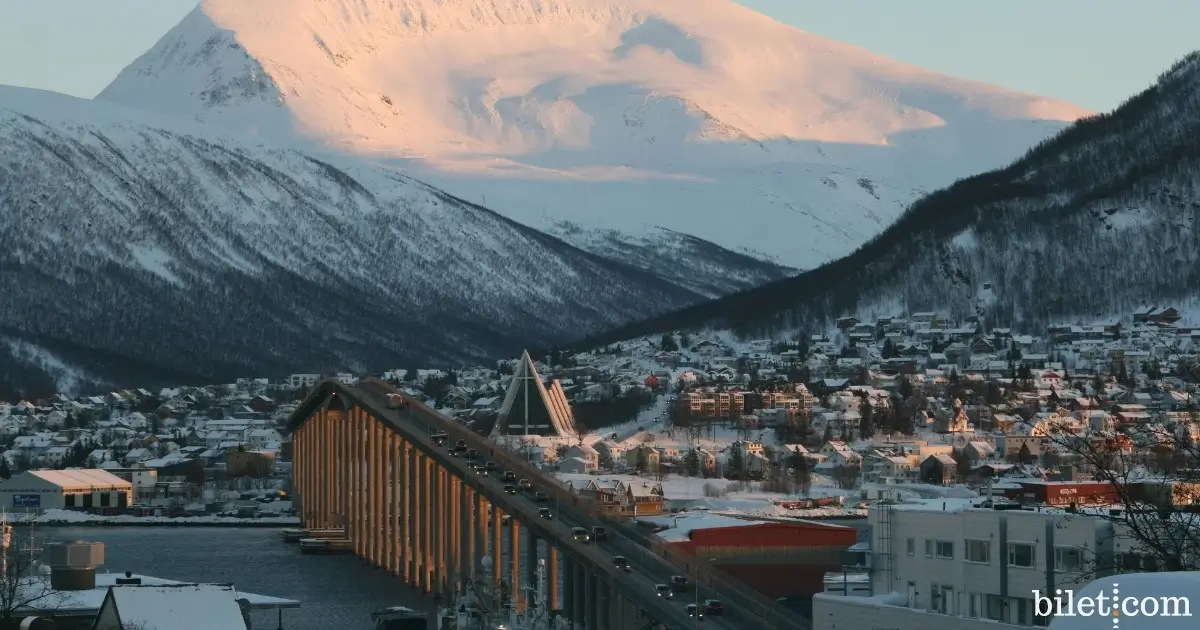
Tromsø
Known as the "Paris of the Arctic," Tromsø is located approximately 350 kilometers north of the Arctic Circle. The city seamlessly blends modern city life with wilderness. From mid-May to the end of July, the sun never sets here.- How to get there : You can easily reach Tromsø Airport (TOS) with flights via Oslo.
- Activities : Take the Fjellheisen cable car up to Storsteinen Hill to enjoy the midnight city view, go sea kayaking at night, and participate in whale watching tours.
- How many days to allocate: 3-4 days is ideal for exploring the city and the surrounding islands.
Lofoten Islands
With its jagged mountain peaks rising steeply from the sea, traditional red fishing huts (rorbuer), and white sandy beaches, Lofoten is one of the most beautiful archipelagos in the world. Under the midnight sun, these islands resemble a painter's canvas.- How to get there : You can rent a car in Tromsø and take a panoramic drive, or take a ferry from Bodø to the islands.
- Activities : Night climb of Reinebringen Peak, surfing (yes, midnight surfing in the Arctic!), staying in fishing villages.
- How many days should you allocate ? You should set aside at least 4-5 days to enjoy this natural wonder.
Nordkapp (Northern Cape)
Nordkapp, considered the northernmost point of the European continent, is a place where a sheer cliff, 307 meters high, defies the ocean. It's a mystical spot that gives you the feeling of the end of the world, with only the vast Arctic Ocean before you and a sun that never sets above.- How to get there : You can fly to Alta or Honningsvåg airport and then take a bus or rental car from there.
- Activities : Taking photos at midnight in front of the Nordkapp Sphere, participating in king crab safaris.
- How many days to allocate: 1-2 days are sufficient to experience the region.
Svalbard
Located precisely between the Arctic Circle and the Norwegian mainland, Svalbard is the gateway to the world of polar bears. It is also home to Longyearbyen, the world's northernmost permanent human settlement, where the sun remains in the sky from April to August.- How to get there : There are direct flights to Longyearbyen (LYR) from Oslo or Tromsø.
- Activities : Glacier tours, dog sledding (summer sleds on wheels), Arctic wildlife observation.
- How Many Days Should You Allocate : Due to security reasons, participation in guided tours is mandatory, so a planned 4-day trip is recommended.
Sweden: A Tale of Lakes and Lapland
Sweden offers the midnight sun nestled amidst vast pine forests, tranquil lakes, and the mystical culture of Lapland. As you travel north through Sweden, a peaceful midnight sun journey awaits, offering a tranquil escape from the crowds and a connection with nature.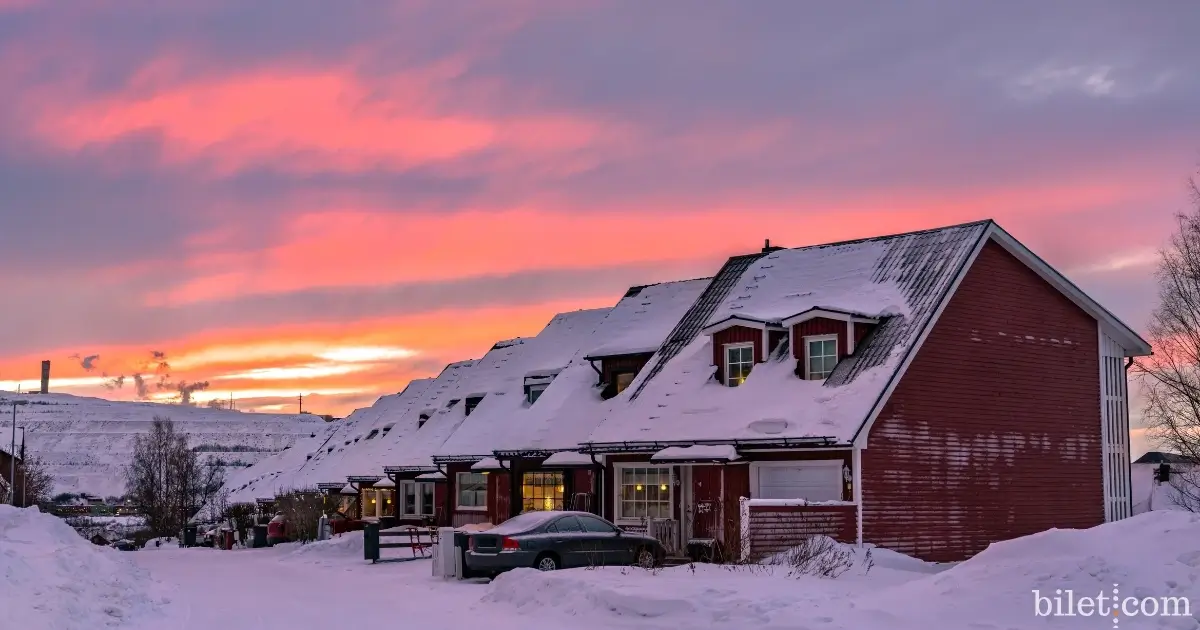
Kiruna
Kiruna, the northernmost city in Sweden, is known for its mining industry, but in the summer months it transforms into a hub for Arctic adventures. Enjoying uninterrupted daylight from late May to mid-July, the city is also a fantastic place to experience local Sami culture.- How to get there : You can reach Kiruna Airport (KRN) from Stockholm with direct flights or by taking a nostalgic overnight train journey.
- Activities : Visit the summer version of the world-famous Icehotel (Icehotel 365), explore Sami villages and feed reindeer.
- How many days should you allocate : 2-3 days, including sightseeing tours, is sufficient.
Abisko National Park
Abisko, one of the best places in the world to watch the Northern Lights in winter, is also a paradise for hikers in summer. Sweden's famous Kungsleden (King's Trail) hiking trail starts here. Thanks to the park's microclimate, the sky is usually clear, offering a chance to see the sunrise clearly.- How to get there : It is approximately 1 hour away from Kiruna by car or train.
- Activities : Taking the chairlift up Mount Nuolja at midnight, canyon walks, waterfall visits.
- How many days should you allocate : If you enjoy nature walks, you should allocate at least 3 days.
Swedish Lapland
Lapland, a UNESCO World Heritage site, is known for its rivers, wilderness, and pristine national parks. During the summer months, midnight canoe trips on the rivers create a captivating atmosphere with the golden light reflecting on the water.- How to get there : You can enter the region via the cities of Luleå or Gällivare.
- Activities : River canoeing, overnight stays in forest cabins, wildlife observation (bear and moose).
- How many days should you allocate ? Given the vast geographical area, it is recommended to allocate 4 days.
Finland: Uninterrupted Summer in the Land of a Thousand Lakes
In Finland, summer is a period of great exuberance following the white captivity of winter. In almost two-thirds of the country, the sun either never sets during the summer months or only drops below the horizon for a few hours, creating "white nights." For Finns, this is a time for escaping to nature and rejuvenation.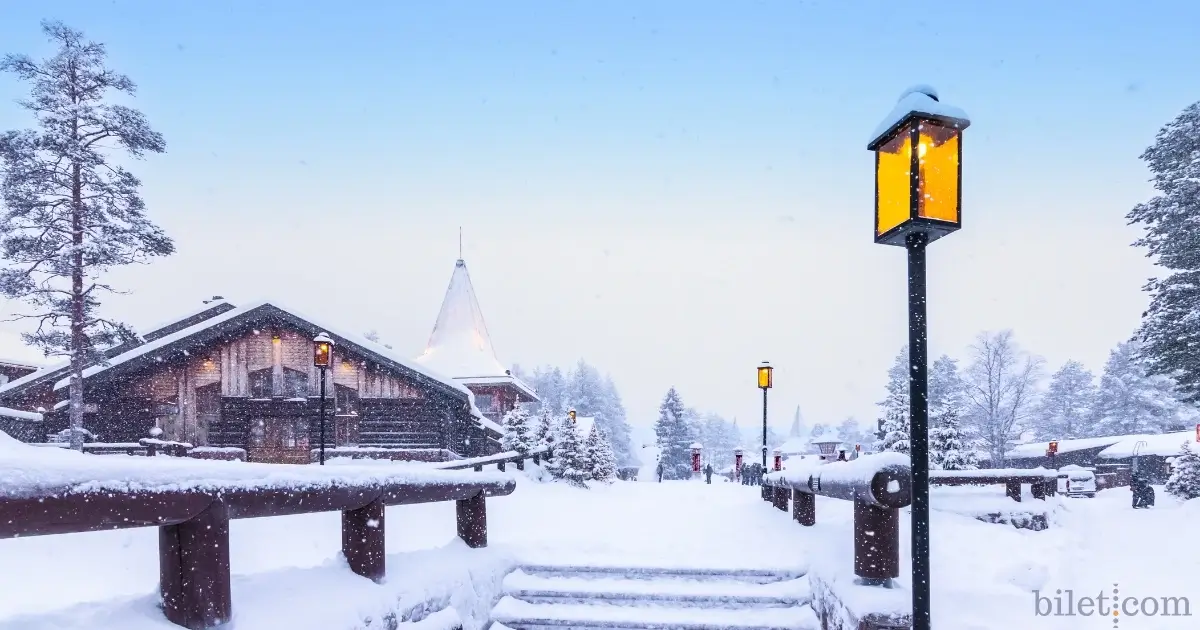
Rovaniemi
Rovaniemi, known as the official hometown of Santa Claus, lies precisely on the Arctic Circle. This fairytale city, covered in snow in winter, comes alive in summer with lush forests and river activities. In June, the sun doesn't set here for weeks.- How to get there : Flights from Helsinki to Rovaniemi Airport (RVN) are available daily. A comfortable train option is also available.
- Activities : Crossing the Arctic Circle at midnight, river boat trip, and a traditional Finnish sauna followed by a swim in the lake.
- How many days should you allocate ? For families traveling together, 2-3 days will be quite enjoyable.
Inari
Located in the northernmost regions of Finland, Inari is home to Lake Inari, the country's third largest lake. It is also the center of Sami culture and parliament in Finland. The sacred islands and the tranquil surface of the lake look enchanting under the night sun.- How to get there : Fly to Ivalo Airport and from there take a bus or rental car north.
- Activities : A midnight boat trip on Lake Inari, and a visit to the Siida Museum to learn about Sami history.
- How many days should you allocate : A relaxing 2-3 day trip focused on culture and nature is suitable.
Utsjoki
Utsjoki, located at the northernmost point of Finland on the border with Norway, is the country's only municipality with a Sami majority. Surrounded by the rounded Arctic hills called Tunturi, the region enjoys a full two months of sunshine, from mid-May to the end of July.- How to get there : It can be reached by road from Ivalo, heading north in approximately 2 hours.
- Activities : Salmon fishing in the Tenojoki River, hiking in the secluded Arctic hills.
- How many days should you take ? Two days are enough for a true retreat and nature experience.
Iceland: The Golden Hours of Fire and Ice
Iceland is geographically located right on the edge of the Arctic Circle. Therefore, although the sun technically appears to set for a few minutes in June on the mainland, the sky never truly darkens. The evening light is directly linked to the morning light. This creates an endless "golden hour" for photographers.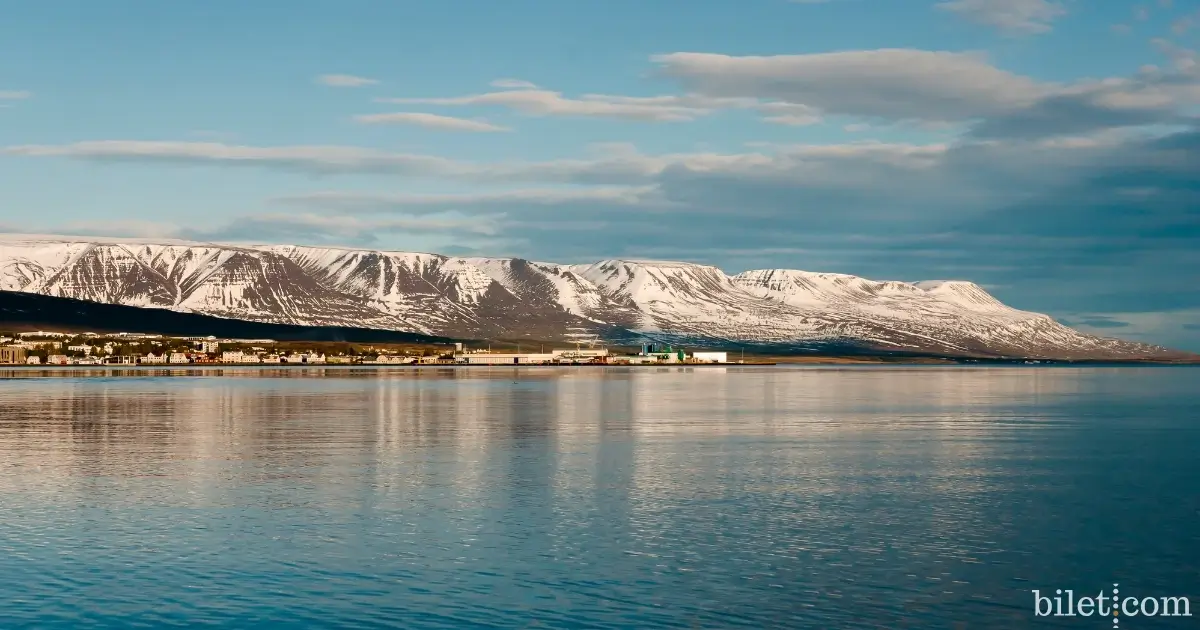
Akureyri
Akureyri, known as the "Capital of North Iceland," is a charming city situated at the base of a long fjord. During midnight sun, you can stroll through the city's botanical gardens or take a drive along the roads that stretch along the fjord.- How to get there : You can reach Reykjavik by domestic flight or by car via the famous Ring Road.
- Activities : Swimming in geothermal pools at midnight, whale watching tours, photographing Godafoss Falls in silence.
- How many days should be allocated : Three days should be allocated to see the surrounding wonders (Lake Myvatn, etc.).
Grimsey Island
This is the only landmass in Iceland that is directly on the Arctic Circle. Home to just a few dozen people and millions of seabirds, this small island offers a truly authentic midnight sun experience.- How to get there : You can reach the island by small ferries departing from Akureyri or Dalvík, or by local flights.
- Activities : Visit the Arctic Circle monument, watch thousands of adorable puffins illuminated at night.
- How many days to allocate : A day trip or an overnight stay is suitable to experience the tranquility of the island.
Northern Iceland Routes
The canyons, mud volcanoes, and massive waterfalls along the Diamond Circle route are entirely yours at midnight when the tourist buses leave during the summer months. The horizontal angle of the light extends the shadows on the volcanic landscape, creating a mystical scene.- How to get there : Traveling by rental car is the most liberating option.
- Activities : Hiking in the Asbyrgi Canyon, visiting Dettifoss (Europe's most powerful waterfall).
- How many days should you allocate : To fully explore the entire Northern route, you should plan for 4 days.
Greenland: A Play of Light Amidst Giant Icebergs
Greenland, the world's largest island, is the ultimate destination for adventure seekers who want to completely disconnect from the modern world and witness the raw power of nature. Here, the midnight sun strikes the massive icebergs, producing surreal pink, purple, and gold hues.Ilulissat
The Ilulissat Ice Fjord, a UNESCO World Heritage site, is one of Greenland's most captivating places. Enormous icebergs, broken off from the Sermeq Kujalleq glacier, drift down the fjord towards the sea. In summer, these massive ice formations appear to glow from within under the ever-sunlit light.- How to get there : Reach Ilulissat Airport via connecting flights from Iceland (Reykjavik) or Denmark (Copenhagen).
- Activities : A midnight boat tour among the icebergs, hiking on the fjord trails.
- How many days should be allocated : A flexible 3-4 day plan is recommended to account for the risk of adverse weather conditions.
Disco Bay
This vast bay, including Ilulissat, is a feeding ground for whales during the summer months. Hearing the sound of a whale emerging from among the icebergs around two in the morning, in absolute silence, and witnessing that moment in daylight is an indescribable experience.- How to get there : You can reach the settlements in the bay via tours based in Ilulissat or by local boats.
- Activities : Sea kayaking to approach icebergs, visiting local Inuit villages.
- How many days should you allocate : It is recommended to allocate 2-3 days for boat tours and explorations in the region.
Canada: The Never-Ending Day of Yukon and the Wild West
The Yukon and Nunavut regions, located in the northwestern corners of Canada, are a hub of wilderness, towering mountains, and the adventures of historic gold prospectors. Among the natural phenomena that can be witnessed here during the summer months is the midnight sun, which brings life to the vast tundras and river valleys.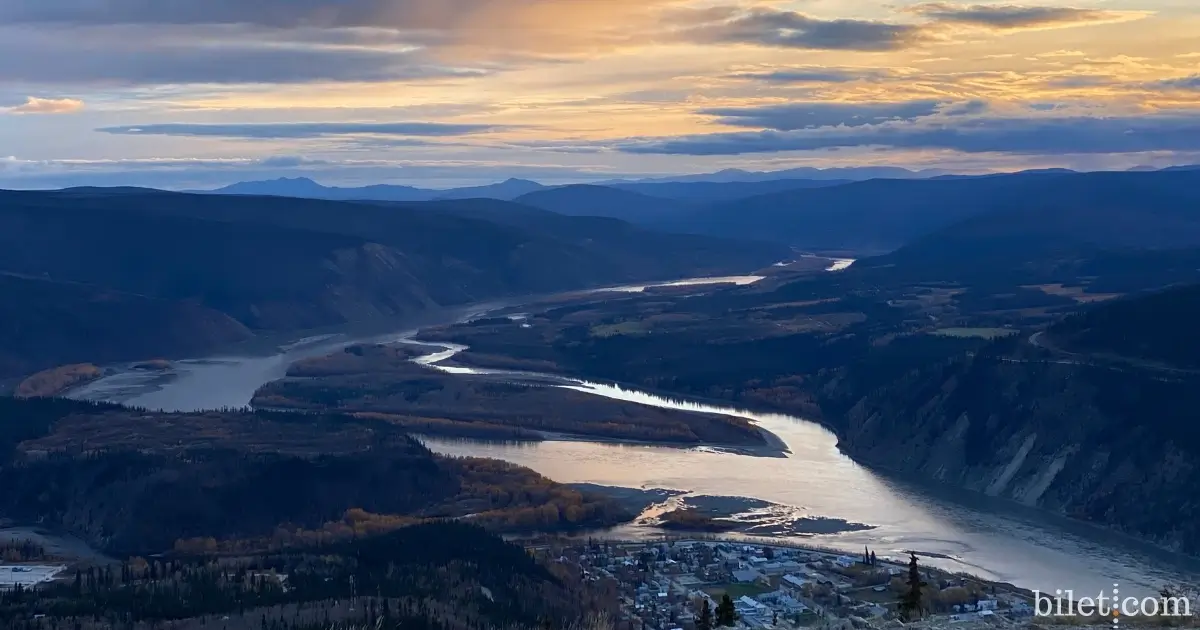
Yukon (Whitehorse & Dawson City)
Yukon, the site of the famous Klondike Gold Rush of the 1890s, is a paradise for adventure seekers. In historic towns like Dawson City, the sun hardly ever sets in the summer. Walking the streets at midnight, you might feel like you're in an old cowboy movie.- How to get there : Whitehorse Airport (YXY) can be reached via connecting flights from Vancouver or Calgary.
- Activities : Canoeing on the Yukon River, enjoying midnight entertainment at the historic Dawson City casinos, and exploring Kluane National Park.
- How many days should be allocated : To plan an extensive road trip route, 4-5 days should be allocated.
Nunavut
Nunavut, Canada's northernmost and youngest territory, consists of an Arctic archipelago. Access is difficult due to the lack of roads between settlements, but it offers a unique experience for those seeking a true polar adventure. During the summer months, the indigenous Inuit communities here enjoy uninterrupted sunlight.- How to get there : Access is only possible by small aircraft via Ottawa or Yellowknife.
- Activities : Narwhal and sea urchin watching, hiking in the Arctic tundra, local handicraft workshops.
- How Many Days Should You Allocate : Due to logistical challenges, it is recommended to go here with a package tour of at least 5-6 days.
Alaska: 24 Hours of Light at the "Last Frontier"
Alaska, the largest and northernmost state in the United States, is no coincidence known as "The Last Frontier." With its vast mountain ranges, enormous glaciers, and abundant wildlife, Alaska becomes a state that truly craves sleep during the midnight sun, yet is also brimming with energy.
Fairbanks
Fairbanks, located in the interior of Alaska, experiences incredibly long and hot summers due to its geographical location. Every year on June 21st, the city traditionally hosts the Midnight Sun Game, a baseball game played without artificial lighting, starting at 10:30 PM and continuing until the early hours of the morning.- How to get there : There are direct flights to Fairbanks Airport (FAI) via Seattle or Anchorage.
- Activities : Watching a baseball game at midnight, relaxing at Chena Hot Springs, river boat tours.
- How many days should you leave ? Three days is ideal for exploring the city and its surroundings.
Utqiaġvik (Barrow)
This town, formerly known as Barrow, is the northernmost point of the United States. Located far above the Arctic Circle, in Utqiaġvik, the sun rises once in mid-May and doesn't set even once for 80 days until the beginning of August. This is where you can experience polar culture and the never-ending day to the fullest.- How to get there : You can travel by local airline flights departing from Anchorage or Fairbanks.
- Activities : Walking along the Arctic Ocean coast, visiting the Iñupiat Cultural Center, and taking photos under the massive arches made of whalebone.
- How many days should you leave ? One or two days will be enough for this extreme experience.
When is the Midnight Sun visible?
To experience this fascinating natural phenomenon, you need to choose your travel dates very carefully. The closer you are to the Arctic Circle, the longer the number and duration of days the sun does not set. Here is a moon-based alignment chart to guide you in planning your routes:Regional Midnight Sun Calendar
| Region / Destination | Beginning | Finish |
| Svalbard, Norway | Early May | mid-August |
| Tromsø (Norway) | Mid-May | End of July |
| Kiruna (Sweden) | End of May | mid-July |
| Rovaniemi (Finland) | Early June | Early July |
| Iceland (General) | Early June | Early July |
| Ilulissat (Greenland) | End of May | Early August |
| Fairbanks (Alaska) | Early June | Early July |
Planning Note : If you're aiming for 24 hours of uninterrupted sunshine, scheduling your trip between the first two weeks of June and the first week of July will maximize your chances of success in almost all northern destinations.
Top 10 Midnight Sun Spots in the World
If you want to narrow down your list and create a precise travel plan, here are the top 10 most iconic, photogenic, and unforgettable locations worldwide:- Reinebringen Hill (Lofoten, Norway): To watch the golden light descend upon the fjords and fishing villages precisely at midnight (24:00).
- Nordkapp Platform (Norway) : To raise a glass against the giant, never-setting sun over the ocean, where Europe ends.
- Ilulissat Ice Fjord (Greenland) : To watch the giant, skyscraper-sized icebergs floating on the sea, painted pink and golden yellow by the midnight light.
- Nuolja Mountain (Abisko, Sweden) : Take the chairlift to the summit at midnight to watch the endless light reflected on Lake Torneträsk.
- Chena Hot Springs (Alaska, USA) : For relaxing in natural geothermal hot springs and experiencing night as if it were day, while the sun never sets outside.
- Grímsey Island (Iceland) : To stand right on the Arctic Circle and photograph thousands of puffins in flight at night.
- Santa Claus Village (Rovaniemi, Finland) : For jumping over the Arctic Circle with childlike joy at midnight and walking through the forest during the endless day.
- Dawson City (Yukon, Canada) : Experience a journey through time by walking through its 19th-century streets at midnight.
- Fjellheisen Hill (Tromsø, Norway) : To capture a bird's-eye view of the city, bridges, and islands shimmering like a golden miniature at midnight.
- Lake Inari (Finland) : For silently gliding by canoe at two in the morning on the smooth surface of a lake dotted with thousands of islands.
Activities to do during Midnight Sun
In traditional holidays, activities move indoors or the day ends when darkness falls. However, in the Arctic, the concept of time is flexible during the midnight sun period, so the adventure continues uninterrupted for 24 hours. Here are some of the most popular activities you can do at midnight to make your trip unforgettable:- Midnight Trekking (Nature Hike) : Escaping the daytime heat (even in Arctic summer, the weather can sometimes be stifling) and crowds, you can hit the mountain trails at 11 PM. Reaching the summit at midnight, yet still surrounded by light, provides an indescribable sense of satisfaction.
- Wilderness Camping : Thanks to the "Allemansrätten" (everyone's right to enjoy nature) law in the Nordic countries (especially Norway and Sweden), you can pitch your tent anywhere you like in nature. Waking up to the golden light streaming in when you unzip your tent at midnight is a wonderful experience.
- Nighttime Sea and River Canoeing : The waters of lakes and fjords are often calmer, windless, and as smooth as a sheet at night. Paddling in the golden water, hearing nothing but the sound of the water, is a true meditation.
- An Unforgettable Road Trip : At midnight, the roads become completely empty. Tourist buses and trucks disappear. Driving your rented car along the winding roads along the fjords, with great music in the background and uninterrupted daylight, takes the driving pleasure to the next level.
- Wildlife Observation and Photography : Many Arctic animals (deer, moose, foxes, and some bird species) become active during the cooler, quieter nighttime hours. You can spot these animals in their natural habitat along roadsides or in forest clearings, under stunning light.
Northern Lights or Midnight Sun?
One of the biggest dilemmas for those wishing to travel to the northern countries is deciding which time of year to choose. The mystical Northern Lights (Aurora Borealis) that adorn the winter sky, or the Midnight Sun that seems to stop time in summer? Both natural phenomena possess entirely different energies and offer unique experiences. Here's a comparison chart to help you decide:Comparison Table
| Feature | Northern Lights (Aurora) | Midnight Sun |
| Period of Occurrence | September – March (Winter season) | May – August (Summer period) |
| Weather Conditions | Cold, snowy, freezing, and dark. | Temperate, green, cool, and fully illuminated. |
| Guaranteed Status | It depends on luck (Cloudless sky and solar activity are required). | 100% Guaranteed (If the date and location are correct, it will definitely happen) |
| Activity Variety | Limited (Dog sledding, skiing, Aurora hunt) | Endless (Hiking, canoeing, camping, swimming, road trip) |
| Travel Costs | High prices due to winter equipment and tours. | Flexible (Can be more economical thanks to camping and long days) |
| Who is it suitable for? | Adventurers, winter lovers, astro-photographers | Hikers, families, long-distance enthusiasts, campers |
> Important Fact : It is scientifically impossible to see both natural phenomena at the same time. The Northern Lights require a pitch-black sky to be visible, while the Midnight Sun completely eliminates the darkness. Therefore, the northern regions are a place you should visit at least twice in your lifetime.
One of the World's Most Fascinating Natural Phenomena: Cultural and Local Influences
The midnight sun is not only a captivating spectacle for tourists, but also a powerful element shaping the culture, biology, and daily life of the local people living in that region.Midsummer Festivals
Midsummer, celebrated in June in the Scandinavian countries (especially Sweden and Finland), is one of the biggest festivals of the year. People wear crowns of flowers, dance around traditional maypoles, light large bonfires, and celebrate outdoors until dawn (since it's already dark). Participating in these festivals is a unique opportunity to observe local culture.Sleep Patterns and the "Biological Clock" Puzzle
The biggest challenge travelers face in the region is sleep. Our brain needs darkness to release the hormone melatonin and fall asleep. When it's constantly daylight, your body clock can get confused, and you might still feel very energetic at 3:00 AM.That's why hotels in the north have very thick, light-blocking blackout roller blinds on their windows.
Locals are used to this situation, but even they say they sleep very little in the summer months and make up for it during the long winter nights.
Flight Tickets and Travel Planning Tips
The first and most important step in embarking on a journey to the fascinating Arctic landscape is to create a proper flight plan. Because these regions are remote, flexible planning and early departures will save you both time and money.Choosing the Right Destination
When planning a trip to Northern Europe, it makes the most sense to use the main transit hubs depending on your specific destination.- Oslo for Norwegian fjords and Tromsø (OSL),
- Stockholm for Swedish Lapland and Abisko (ARN),
- Helsinki (HEL) for Finland and Rovaniemi,
- For Iceland routes, Reykjavik (KEF) will be your main entry point.
What should you pay attention to when buying a plane ticket?
- Early Booking Advantage : These destinations experience a massive influx of tourists from around the world during the summer months. Therefore, completing your international flight ticket research during the winter months, rather than waiting until spring, will allow you to take advantage of better prices.
- Transfer Times : On northern routes, you will usually need to transfer to a domestic flight (e.g., from Oslo to Tromsø or from Stockholm to Kiruna). Ensure your transfer times are at least 2-3 hours, as baggage drop-off and re-check-in processes can take time at major airports.
- Baggage Allowance : Even if you're traveling in the summer, make sure you have sufficient baggage allowance when choosing your ticket, as you'll likely be taking warm clothes, outdoor boots, and perhaps camping equipment. Carefully review the cabin and checked baggage rules of low-cost airlines.
To create the most suitable travel route for your budget and schedule to these unique regions where the sun never sets, and to compare flight times and prices from different airlines, you can browse flight ticket options on Bilet.com and take the first step towards your dream summer vacation destination.