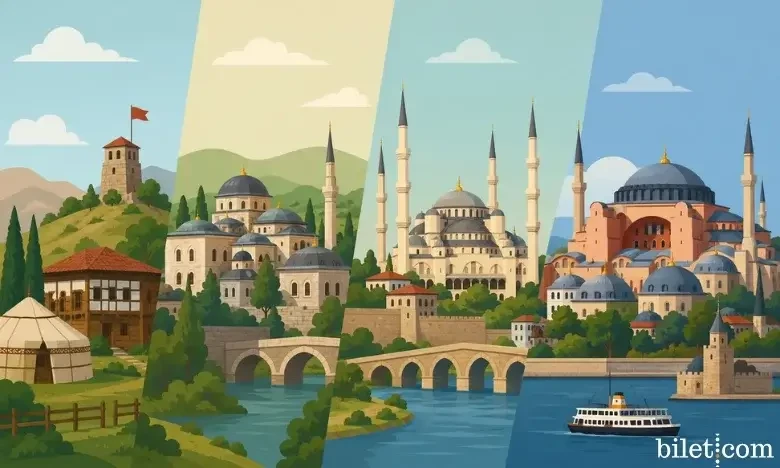




The Ottoman capitals changed in parallel with the growth of the state, and each new center represented a different period of the empire. Transforming from a small frontier principality into an intercontinental empire, the Ottoman State moved its administrative center to different cities according to its needs. Behind these changes were military strategy, proximity to trade routes, political power balances, and geographical advantages.
Today, the Ottoman capitals are no longer just places preserved in history books. From the humble streets of Söğüt to the complexes of Bursa, from the magnificent mosques of Edirne to the palaces of Istanbul, this route offers one of Türkiye's most impressive cultural tourism experiences.
If you want to both explore Ottoman history firsthand and see Turkey's most important historical cities, you can plan an unforgettable journey with the comprehensive Ottoman history travel itinerary we have prepared for you at the end of this article.
What were the capitals of the Ottoman Empire, in chronological order?
The Ottoman capitals were, in order, Söğüt, Bursa, Edirne, and Istanbul. Söğüt is considered the birthplace of the Ottoman State, while Bursa was the first official capital. Subsequently, Edirne became the administrative center, and with the conquest of Istanbul in 1453, Istanbul became the last and longest-serving capital of the Ottoman Empire.| City | Capital City Period | Featured Feature |
| Willow | Founding period (late 13th century) | The capital where the Ottoman Empire was born |
| Bursa | 1326 – 1365 | The first official capital |
| Edirne | 1365 – 1453 | Administrative center opened to ministers |
| Istanbul | 1453 – 1922 | The last and long-lasting capital of the empire. |
Each of these cities represents a different phase of the Ottoman Empire's history. Söğüt symbolizes its founding, Bursa its statehood, Edirne its expansion, and Istanbul its imperial period. Today, an Ottoman route encompassing these four cities attracts a wide audience, from history enthusiasts to cultural travelers.
Söğüt – The Land Where the Ottoman Empire Was Born
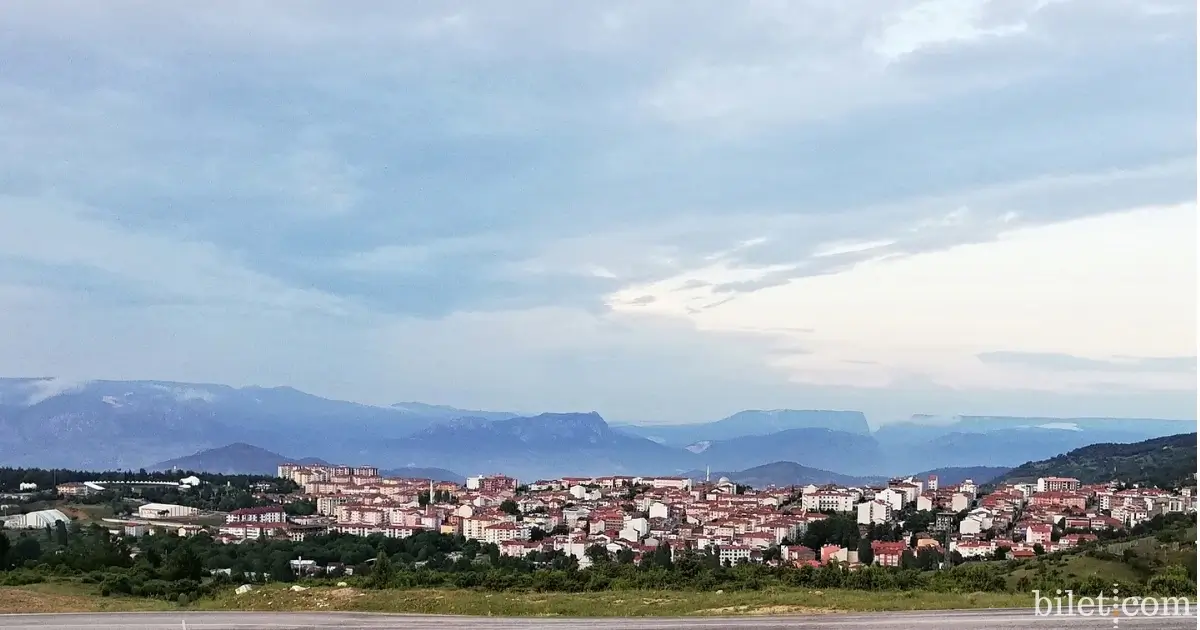
Söğüt, mentioned among the capitals of the Ottoman Empire, is actually much more than just a capital city used for a long time in the classical sense. It is the place where a state was born, a dynasty emerged onto the historical stage, and the foundations of an empire that would last for approximately six centuries were laid.
At the end of the 13th century, Anatolia was going through a politically turbulent period. With the weakening of the Anatolian Seljuk State, numerous principalities had emerged in the region. It was during this period that Ertuğrul Gazi, the leader of the Kayı tribe, and subsequently his son Osman Gazi, began to establish a new political power in and around Söğüt.
Söğüt, thanks to its proximity to the Byzantine border, offered significant advantages in terms of both defense and conquest. The initial conquests and political structures established during the reign of Osman Gazi laid the foundation for the great state that would be founded in the future.
Therefore, historians consider Söğüt not merely a settlement, but a center where Ottoman identity was shaped. The first traces of Ottoman culture, governance, and conquest policies emerged here.
Today, when you visit Söğüt, you won't encounter massive palaces or magnificent capital city structures. However, the city's unpretentious atmosphere offers a unique experience for visitors who want to feel the founding years of the Ottoman Empire.
What is Söğüt like today?
Söğüt, a small and tranquil district of Bilecik, is considered one of Türkiye's most important historical destinations. It is practically an open-air museum, especially for visitors interested in Ottoman history.In Söğüt, where modern urbanization has not had a significant impact, the historical fabric has been largely preserved. Quiet streets, examples of traditional architecture, and traces from the founding period of the Ottoman Empire give visitors a feeling of traveling back in time.
The Ertuğrul Gazi Commemoration and Söğüt Festivals, held every September, are one of the busiest periods for the district. Visitors and history enthusiasts from different parts of Türkiye come together at these events.
Söğüt is a great destination for a day trip, but it can also be combined with trips to Bursa and Bilecik to create a more comprehensive cultural tour.
Places to visit in Söğüt
- Tomb of Ertuğrul Gazi
When Söğüt is mentioned, the first structure that comes to mind is undoubtedly the Tomb of Ertuğrul Gazi. This area, where the tomb of Ertuğrul Gazi, considered the ancestor of the Ottoman Dynasty, is located, has been an important spiritual center visited for centuries.
The guards in traditional uniforms and the meticulously maintained landscaping around the mausoleum create an impressive atmosphere for visitors. This is the first stop for anyone wishing to understand the story of the founding of the Ottoman Empire.
- Hamidiye Mosque
Built during the reign of Sultan Abdul Hamid II, the Hamidiye Mosque is one of Söğüt's most remarkable architectural landmarks. Reflecting the characteristics of the late Ottoman period, the building stands out with its elegant details and aesthetic appearance.
Located in the city center, the mosque is an important stop on historical tourist routes.
- Söğüt Museum
For visitors wishing to learn more about the region's history, the Söğüt Museum is a valuable stop. The museum displays various documents from the early years of the Ottoman Empire, ethnographic artifacts, and objects from daily life.
For visitors particularly interested in Ottoman culture and the Anatolian principalities period, the museum is an important point that enriches the tour experience.
For visitors particularly interested in Ottoman culture and the Anatolian principalities period, the museum is an important point that enriches the tour experience.
How to get to Söğüt?
Söğüt is strategically located between the Marmara Region and the Central Anatolia Region, making it easily accessible from various cities.- Transportation Departing from Istanbul
Traveling from Istanbul to Söğüt by private car takes approximately 3 to 4 hours. You can use the İzmit and Bilecik route during your journey.
Visitors who prefer public transportation can first reach Bilecik and then proceed to Söğüt from there.
- Transportation Departing from Ankara
Traveling from Ankara to Söğüt by road takes approximately 2.5 to 3 hours. Therefore, it's a very suitable destination for weekend cultural trips.
- Bus Travel Alternatives
There are regular bus services to Bilecik and its surroundings from many cities in Türkiye. Before making your travel plans, checking current bus schedules and ticket options can help you plan your trip more easily.
Söğüt is an important stop that can easily be visited as part of an Ottoman travel route planned especially together with Bursa, Eskişehir and Istanbul.
As visitors leave Söğüt, the vast majority share the same feeling: the story of the Ottomans began here. Bursa, the next stop, tells the story of how a small principality transformed into a powerful state.
Söğüt is an important stop that can easily be visited as part of an Ottoman travel route planned especially together with Bursa, Eskişehir and Istanbul.
As visitors leave Söğüt, the vast majority share the same feeling: the story of the Ottomans began here. Bursa, the next stop, tells the story of how a small principality transformed into a powerful state.
Bursa – The First Official Capital of the Ottoman Empire
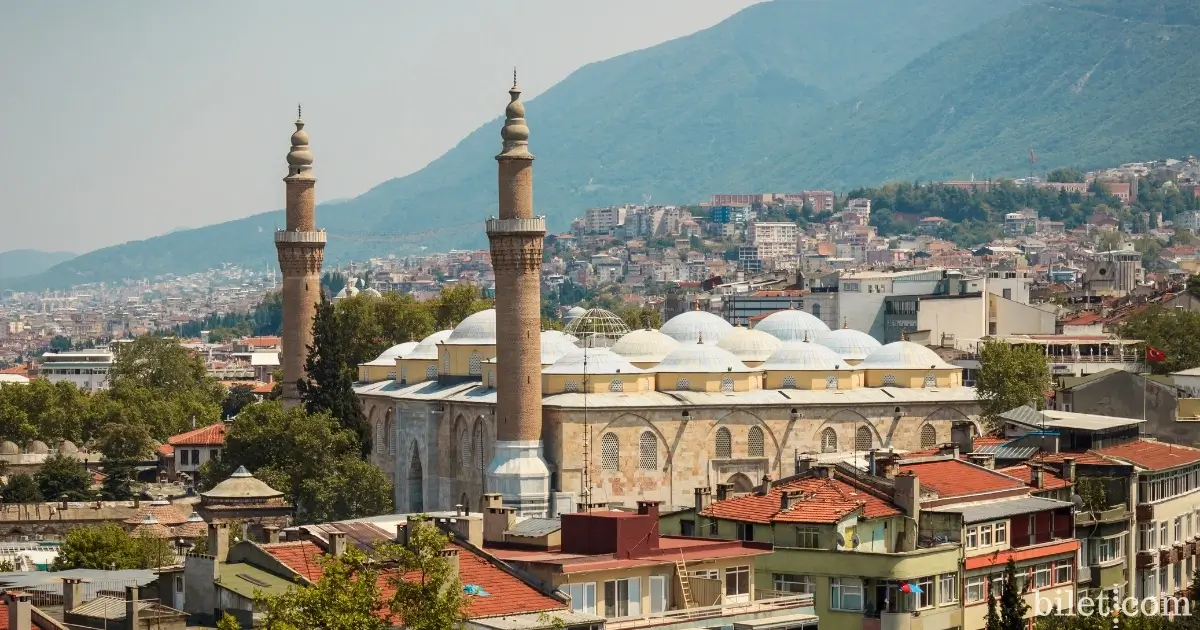
The conquest of Bursa was one of the most important turning points in the Ottoman Empire's transformation from a small frontier principality to a regional power. Conquered in 1326 during the reign of Orhan Gazi, the city quickly became the first official capital of the Ottoman Empire.
Bursa holds a special place among the Ottoman capitals. This is because not only was the political administrative center established here, but the foundations of the state organization were also laid. The first madrasas (Islamic schools), the first waqf (endowment) system, the first large mosques, and the first institutional structures emerged in Bursa.
One of the most important reasons for choosing Bursa as the capital was its strategic location. The city was situated on important trade routes in Anatolia and provided an advantage for conquest campaigns against Byzantium. Furthermore, its fertile agricultural lands and developed economic structure made a significant contribution to the growth of the Ottoman Empire.
Walking through the streets of Bursa today, you discover not only a city but also the story of the Ottoman state's formation. Inns, tombs, mosques, and complexes allow visitors to experience the atmosphere of the 14th and 15th centuries.
What does Bursa look like today?
Today's Bursa is one of Türkiye's most important cultural destinations, offering a blend of historical heritage and modern life. The city center is surrounded by structures dating back to the Ottoman period, and the Hanlar District, a UNESCO World Heritage Site, welcomes thousands of visitors every year.While strolling through Bursa's historical bazaars, it's possible to feel the dynamism of the trade life of the past. Koza Han and its surroundings, in particular, functioned as one of the important centers of the Silk Road trade during the Ottoman period.
The city is also quite rich in terms of gastronomy. Iskender kebab, candied chestnuts, and local delicacies combine cultural tourism with a gastronomic experience.
Nestled at the foot of Mount Uludağ, Bursa stands out not only for its historical texture but also for its natural beauty. Therefore, it is an ideal city for both weekend getaways and cultural tourism destinations.
Ottoman landmarks to see in Bursa
- Grand Mosque
Built in 1399 by Bayezid I, the Grand Mosque of Bursa is one of the early masterpieces of Ottoman architecture. With its twenty domes, calligraphy, and spacious interior, it is one of Bursa's most important landmarks.
- Green Tomb
One of the first structures that comes to mind when Bursa is mentioned is the Green Tomb, the tomb of Çelebi Mehmet. Due to its turquoise tiles and impressive architecture, it is considered one of the most special works of Ottoman art.
- Green Mosque
Located right next to the Green Tomb, the Green Mosque is one of the finest examples of Ottoman decorative art. Its tile work and architectural details impress visitors.
- Koza Han
Built in 1491, Koza Han was one of the vibrant centers of Ottoman trade. Today, with its cafes and shops preserving its historical atmosphere, it is one of the most visited spots in Bursa.
- Muradiye Complex
The complex, built by Murad II, consists of a mosque, a madrasa (religious school), and tombs. The area, which contains the graves of Ottoman dynasty members, is of great importance to history enthusiasts.
- Armory
The Tophane district, where the tombs of Osman Gazi and Orhan Gazi are located, is one of Bursa's most significant tourist destinations. It is also an ideal stop for visitors who want to see a panoramic view of the city.
How to get to Bursa?
Bursa is one of the most easily accessible cities in Türkiye. Its proximity to Istanbul makes it a popular choice, especially for weekend getaways.- Transportation from Istanbul
Travel time from Istanbul to Bursa by road is approximately 2-3 hours. The Osmangazi Bridge has significantly shortened travel times.
Getting to Bursa is quite convenient thanks to regular bus services. When planning your trip, you can make your journey more economical by checking the current Bursa bus ticket options.
Getting to Bursa is quite convenient thanks to regular bus services. When planning your trip, you can make your journey more economical by checking the current Bursa bus ticket options.
- Transportation from Different Cities of Türkiye
There are direct bus services to Bursa from Ankara, Izmir, Eskisehir, Antalya, and many other cities in Türkiye. Bursa is an important transit point, especially for Ottoman travel routes created within the scope of cultural tourism.
- Nearby Airports
Bursa Yenişehir Airport, located close to the city center, serves domestic flights. Bursa can also be easily reached via airports in Istanbul.
- Plan your trip.
If you are planning to visit Bursa, the first capital of the Ottoman Empire, it would be helpful to compare transportation options in advance. After creating your route, checking current bus schedules and booking your ticket early can make your trip more comfortable.
Bursa represents the process of state formation in the Ottoman Empire, while Edirne, the next stop, depicts the empire's gateway to Europe and the beginning of its rise.
Edirne – The Capital Until the Conquest of Istanbul
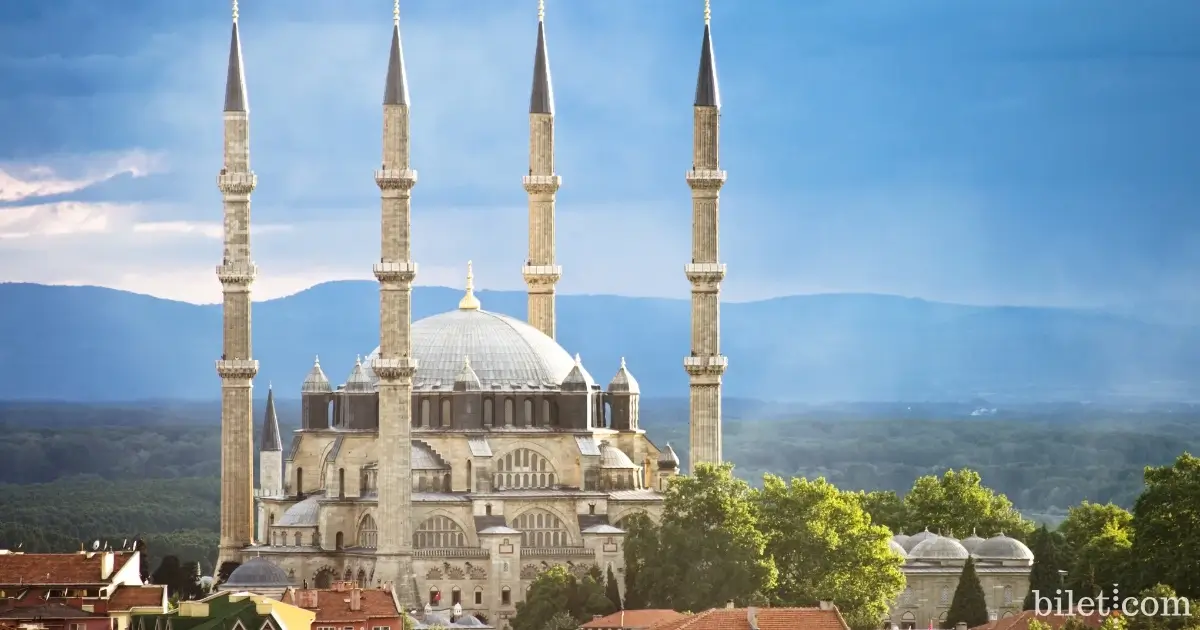
Among the capitals of the Ottoman Empire, Edirne represents the period when the empire began to transform from a regional power into an international actor. The city, which became the capital after Bursa, served as the center of Ottoman administration for nearly a century.
Conquered in 1361, Edirne soon became the new center of Ottoman rule. One of the most important reasons for choosing the city was its location as a gateway to the Balkans. With the intensification of conquest movements in Europe, Edirne became a strategic center both militarily and politically.
The city experienced significant growth, particularly during the reign of Murad II. Mehmed the Conqueror also spent part of his childhood here, and a significant portion of the preparations for the conquest of Istanbul took place in Edirne.
Therefore, when the Ottoman capitals are examined in chronological order, Edirne stands out as a symbol of the period when the state turned towards Europe and its imperial identity began to take shape.
What is Edirne like today?
Today, Edirne is one of Türkiye's best-preserved historical cities. Ottoman architecture is still vividly visible in many parts of the city center.Narrow streets, historic bazaars, bridges, and mosques give visitors the feeling of strolling through an open-air museum. The city is also famous for its traditional delicacies. Edirne's pan-fried liver and almond paste enrich cultural tours with gastronomic experiences.
Thanks to its proximity to Istanbul, it is also quite popular for weekend getaways. For travelers compiling a list of historical cities in Türkiye, Edirne is a must-see destination.
Ottoman Sites to Visit in Edirne
- Selimiye Mosque
The Selimiye Mosque, which the architect Sinan called his "masterpiece," is considered one of the pinnacles not only of Edirne but of all Ottoman architecture.
Completed in 1575, the structure dominates the city skyline with its elegant dome and slender minarets. A UNESCO World Heritage site, the mosque is at the top of the list of places to visit in Edirne.
Completed in 1575, the structure dominates the city skyline with its elegant dome and slender minarets. A UNESCO World Heritage site, the mosque is at the top of the list of places to visit in Edirne.
- Old Mosque
Built between 1403 and 1414, the Old Mosque reflects early Ottoman architecture. Its interior is notable for its large calligraphic inscriptions and simple architecture.
- Three-Domed Mosque
Completed in 1447, the Üç Şerefeli Mosque is one of the important examples of the transition to the classical period in Ottoman architecture. It stands out with its minarets having different designs.
- Meriç Bridge
Completed in 1842, the Meriç Bridge is one of Edirne's most iconic structures. It is a popular spot for photography enthusiasts due to the stunning sunset views it offers.
- Ruins of Edirne Palace
Only parts of the Edirne Palace, once the residence of Ottoman sultans, have survived to the present day. Nevertheless, the site is an important point for understanding Ottoman palace life.
How to get to Edirne?
- Transportation from Istanbul
The distance between Istanbul and Edirne is approximately 230 kilometers. Travel time by road takes about 2.5-3 hours.
- Bus Alternatives
There are regular bus services from many cities in Turkey, especially Istanbul. When planning your trip, you can check the current Edirne bus ticket options and choose the one that suits your budget.
- Private Vehicle Option
Traveling via the TEM highway is quite comfortable. Especially if you're planning an Ottoman-era route encompassing Bursa and Istanbul, a private vehicle can offer a flexible alternative.
Edirne represents the Ottoman Empire's gateway to Europe. However, Istanbul is the city that served as the capital of the Ottoman Empire for the longest period.
Edirne represents the Ottoman Empire's gateway to Europe. However, Istanbul is the city that served as the capital of the Ottoman Empire for the longest period.
Istanbul – The Capital of the Ottoman Empire for 469 Years
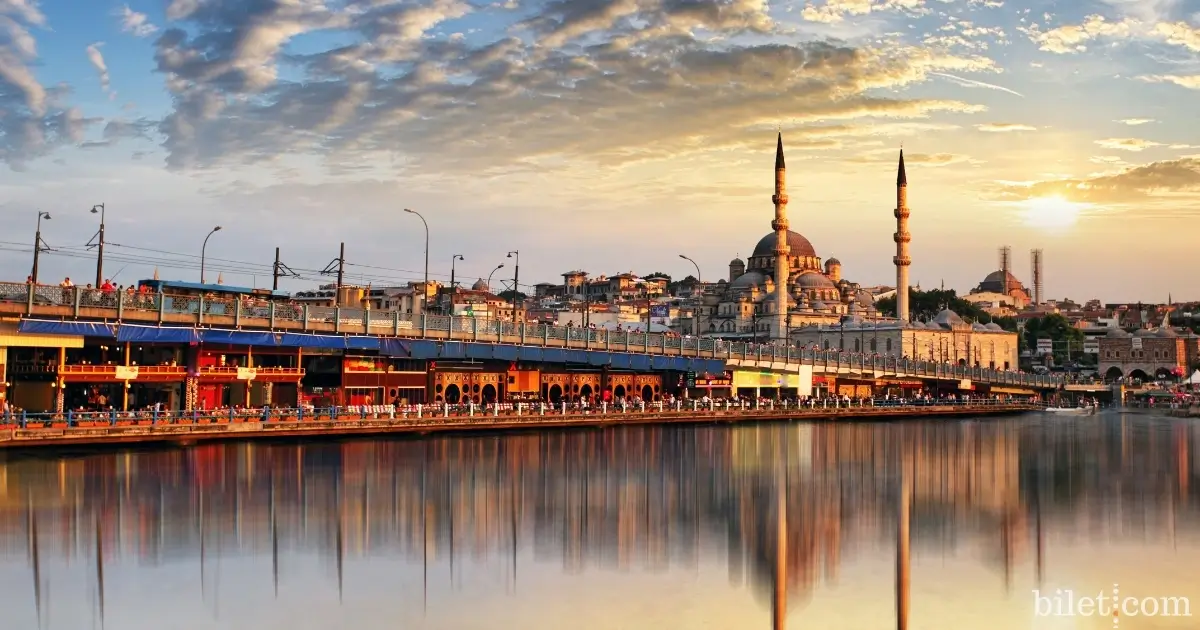
The conquest of Istanbul in 1453 is a turning point not only in Ottoman history but also in world history. With Sultan Mehmed the Conqueror's capture of the city, the final capital of the Ottoman Empire was determined.
Istanbul remained the administrative center of the Ottoman Empire for approximately 469 years, from 1453 to 1922. During this period, the city became not only a political center but also a center of commerce, science, art, and culture.
Located at the crossroads of three continents, Istanbul enhanced the empire's power with its strategic position controlling trade routes between the Mediterranean and the Black Sea.
Throughout the history of the Ottoman Empire, many important decisions, diplomatic negotiations, and state affairs were managed from Istanbul. Therefore, the city is more than just the last capital of the Ottoman Empire; it is a symbol of the empire's peak.
Ottoman Traces in Istanbul Today
Istanbul is one of the cities where the Ottoman legacy is most intensely felt. In many districts of the city, mosques, palaces, fountains, tombs, and complexes take visitors back in time.While walking through the Historical Peninsula, it's possible to see artifacts from different periods in just a few hours. In this respect, Istanbul is considered one of the world's most impressive cultural tourism destinations.
For visitors particularly interested in Istanbul's historical sites and Ottoman-era monuments, the city itself is an open-air museum.
Ottoman Buildings You Must See in Istanbul
- Topkapi Palace
Topkapi Palace, where the Ottoman sultans lived for nearly four hundred years, is considered the heart of state administration. The palace courtyards, the treasury, and the sacred relics section are the areas that attract the most visitors.
- Dolmabahçe Palace
Dolmabahçe Palace, used during the final years of the Ottoman Empire, is an impressive blend of European architecture and Ottoman aesthetics.
- Sultanahmet Mosque
Also known as the Blue Mosque, the Sultanahmet Mosque is one of the most recognizable examples of Ottoman architecture. It is notable for its six minarets and magnificent domes.
- Suleymaniye Mosque
Built by the architect Sinan on behalf of Sultan Suleiman the Magnificent, the Suleymaniye Mosque is one of the most important parts of Istanbul's skyline.
- Yıldız Palace
Yıldız Palace, which served as the administrative center during the late Ottoman period, impresses visitors with its extensive gardens and historical buildings.
- Eyüp Sultan Mosque
Eyüp Sultan Mosque, one of Istanbul's most important spiritual centers, attracts great interest from both domestic and foreign visitors.
How to get to Istanbul?
- Domestic Flights
Istanbul is a destination accessible by direct flights from almost every city in Türkiye.
- Airport Options
The city has two major airports:
- Istanbul Airport
- Sabiha Gökçen Airport
There are several options for getting to the city center from both airports.
- Flight Ticket Reservation
After visiting the last capital of the Ottoman Empire, the best way to make this historical journey truly meaningful is to create a comprehensive Ottoman travel itinerary that combines all the cities into a single itinerary.